Embracing Smart Technology, Enhanced Compliance, Mental Health Initiatives, and Sustainability in the Evolving Landscape of Workplace Safety
As we move through 2024, the landscape of industrial safety is experiencing rapid and transformative changes. Emerging technologies and evolving regulations are reshaping how businesses approach workplace safety, making it crucial for organizations to stay informed and adapt to these trends. From smart technology and AI-driven innovations to enhanced regulatory compliance and a focus on mental health, the future of industrial safety is set to be more dynamic and comprehensive than ever before.
The Rise of Smart Technology
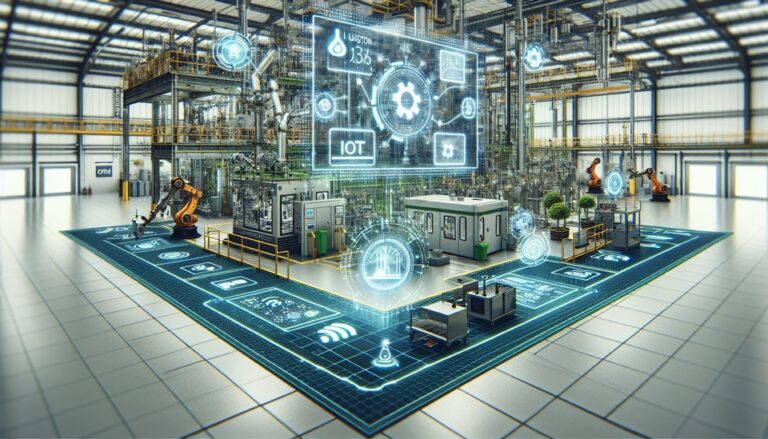
Smart technology is revolutionizing industrial safety by integrating wearable devices, IoT sensors, and AI-driven analytics into safety management systems. These advancements provide real-time data and predictive insights, allowing for proactive measures to prevent accidents. For instance, safety mats now come equipped with sensors that detect pressure and instantly alert workers to potential hazards. This integration not only enhances safety but also improves operational efficiency.
Augmented Reality (AR) is another groundbreaking development in industrial safety. AR systems offer real-time visual guidance for complex tasks, reducing the risk of errors and accidents. Maintenance technicians, for example, can use AR headsets to overlay schematics and safety protocols directly onto equipment, ensuring precision and adherence to safety procedures in challenging environments.
Artificial Intelligence (AI) and Machine Learning (ML) are further enhancing safety systems by analyzing data from sensors and historical incident reports to identify patterns and predict potential hazards. AI-powered systems can forecast equipment failures before they occur, allowing for preemptive maintenance. ML algorithms also improve surveillance capabilities, detecting unsafe behaviors or conditions in real-time and alerting supervisors, thus significantly reducing incident rates.
Enhanced Regulatory Compliance
As safety regulations become stricter, compliance is more critical than ever. New standards are being implemented across industries to ensure higher levels of worker protection, including guidelines for equipment maintenance, mandatory safety training, and rigorous inspection protocols. Staying updated with these changes is essential to avoid penalties and maintain a safe working environment.
A notable shift in regulatory compliance for 2024 is the increased focus on cybersecurity in industrial settings. As systems become more interconnected, the risk of cyber attacks that could compromise safety systems has grown. New regulations require companies to implement robust cybersecurity measures, including security audits, encrypted communication, and comprehensive incident response plans. Adhering to these standards is now as crucial as traditional safety regulations for ensuring overall workplace safety.
Focus on Mental Health and Well-Being
Mental health is increasingly recognized as a critical component of industrial safety. Addressing mental well-being in the workplace is essential for reducing accidents caused by stress and fatigue. Companies are now offering mental health resources, stress management programs, and fostering supportive work cultures.
Technology is playing a significant role in supporting mental health initiatives. Virtual Reality (VR) applications are being used for immersive stress reduction experiences, while AI-powered chatbots offer 24/7 mental health support and resources. These innovations complement traditional employee assistance programs, providing immediate access to mental health tools and helping create a more resilient workforce.
Sustainability and Environmental Safety
Sustainability is becoming a key focus in industrial safety practices, with companies prioritizing eco-friendly initiatives that also enhance workplace safety. This includes reducing hazardous waste, using sustainable materials, and implementing energy-efficient processes. By aligning with environmental safety practices, companies not only comply with regulations but also promote a healthier workplace.
The circular economy concept is gaining traction, with companies designing products and processes with end-of-life considerations. This shift includes developing safer, biodegradable alternatives to harmful chemicals used in industrial processes. By adopting circular economy principles, companies reduce waste and exposure to hazardous materials, benefiting both the environment and worker safety.
As industrial safety practices continue to evolve, embracing these key trends will be vital for maintaining a safe and compliant workplace. From leveraging smart technology and AI innovations to focusing on mental health and sustainability, staying ahead of these developments will help businesses navigate the complexities of modern industrial safety and protect their most valuable asset: their employees.
4o mini